August 21, 2026
MEDIA CONTACT: John Cramer, M.S., 954-201-7325 | jcramer@broward.edu

DAVIE, Fla. - Tucked away – if 75,000 of anything can be considered tucked – behind an inconspicuous door on Broward College’s A. Hugh Adams Central Campus is an assemblage of deathly wonder.

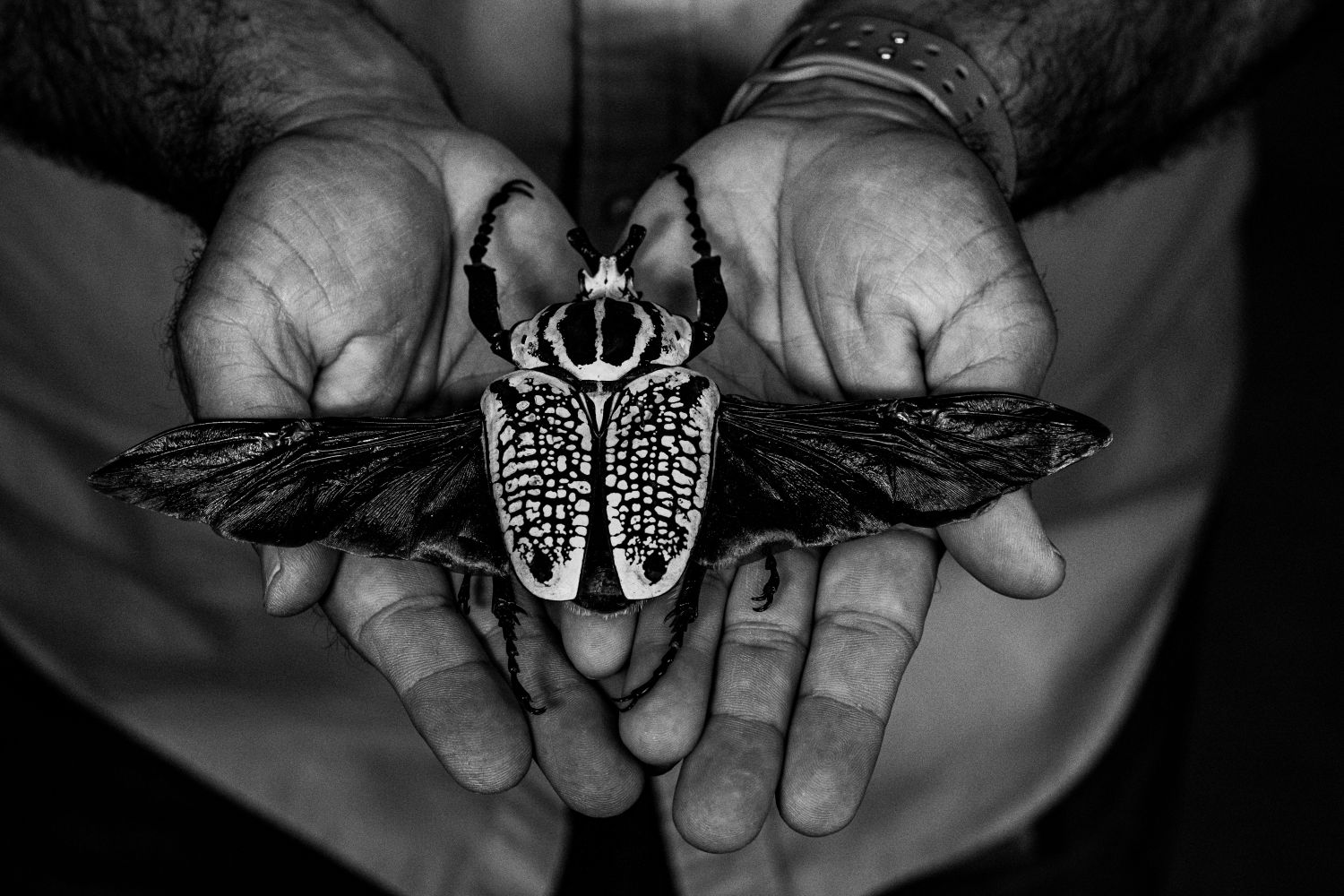
Dead insect specimens, that is, representing an infinitesimally small percentage of the largest and most diverse group of creatures on the planet, a kaleidoscope of natural evolution over the last 400 million years that today numbers in the tens of quadrillions globally.

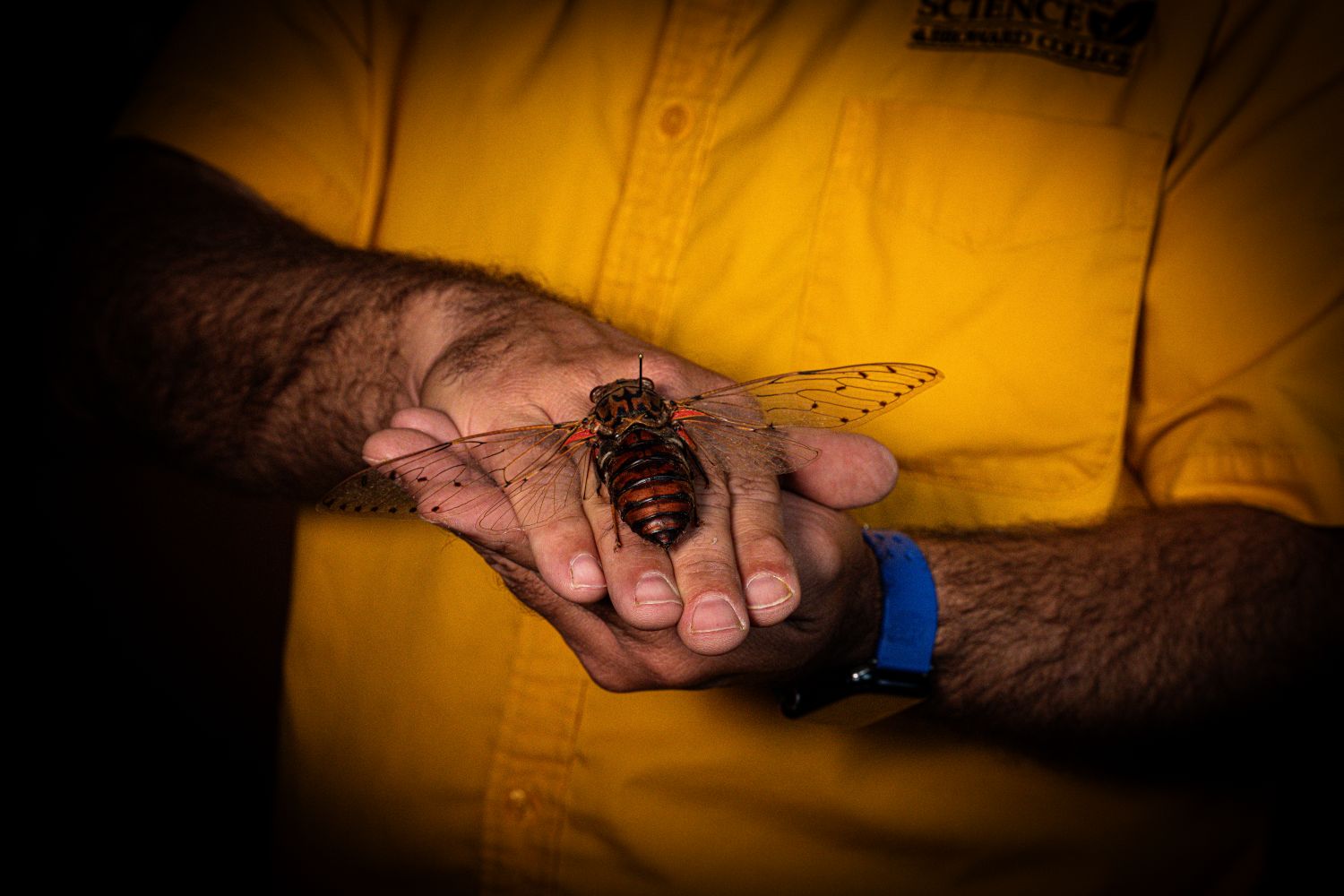
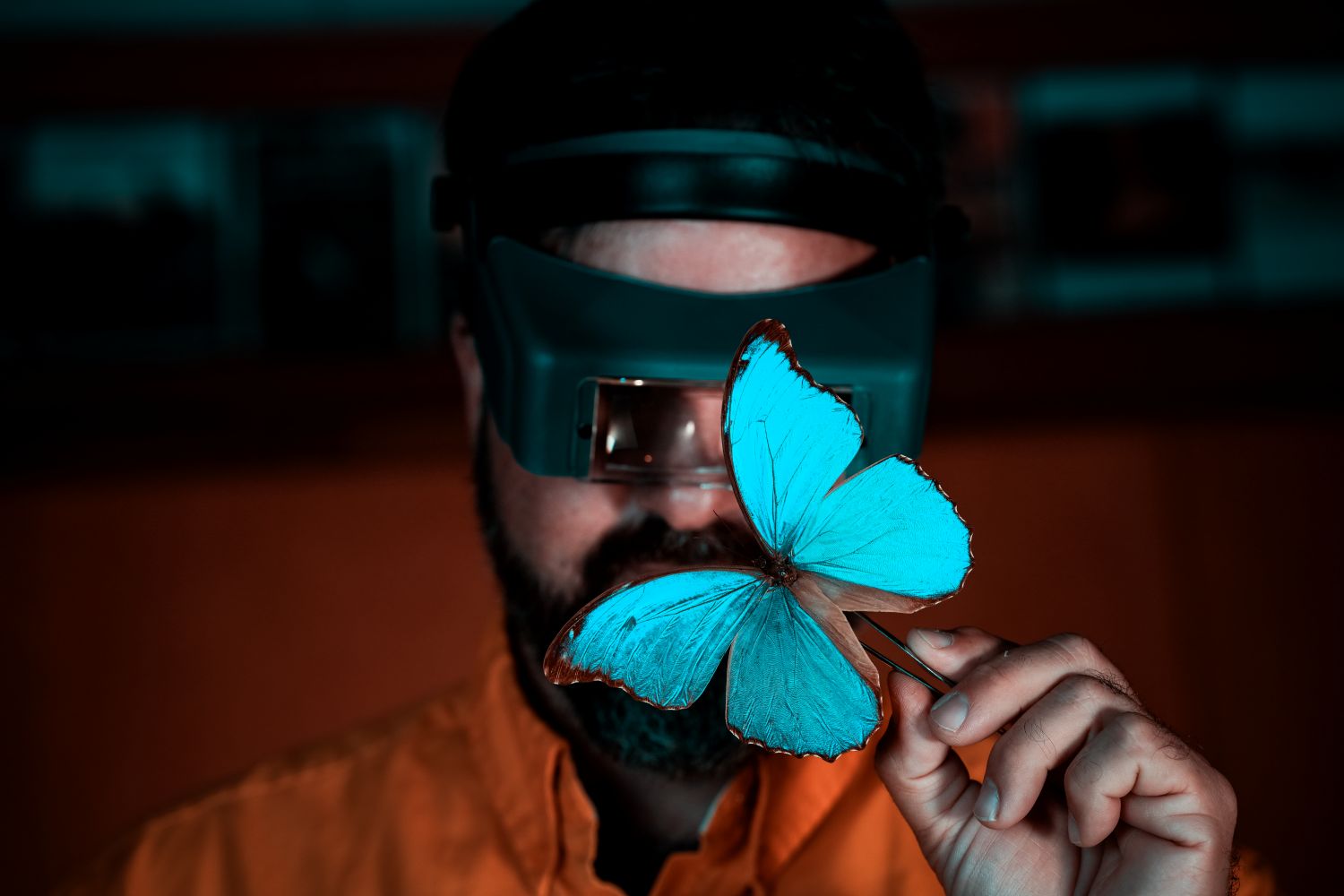
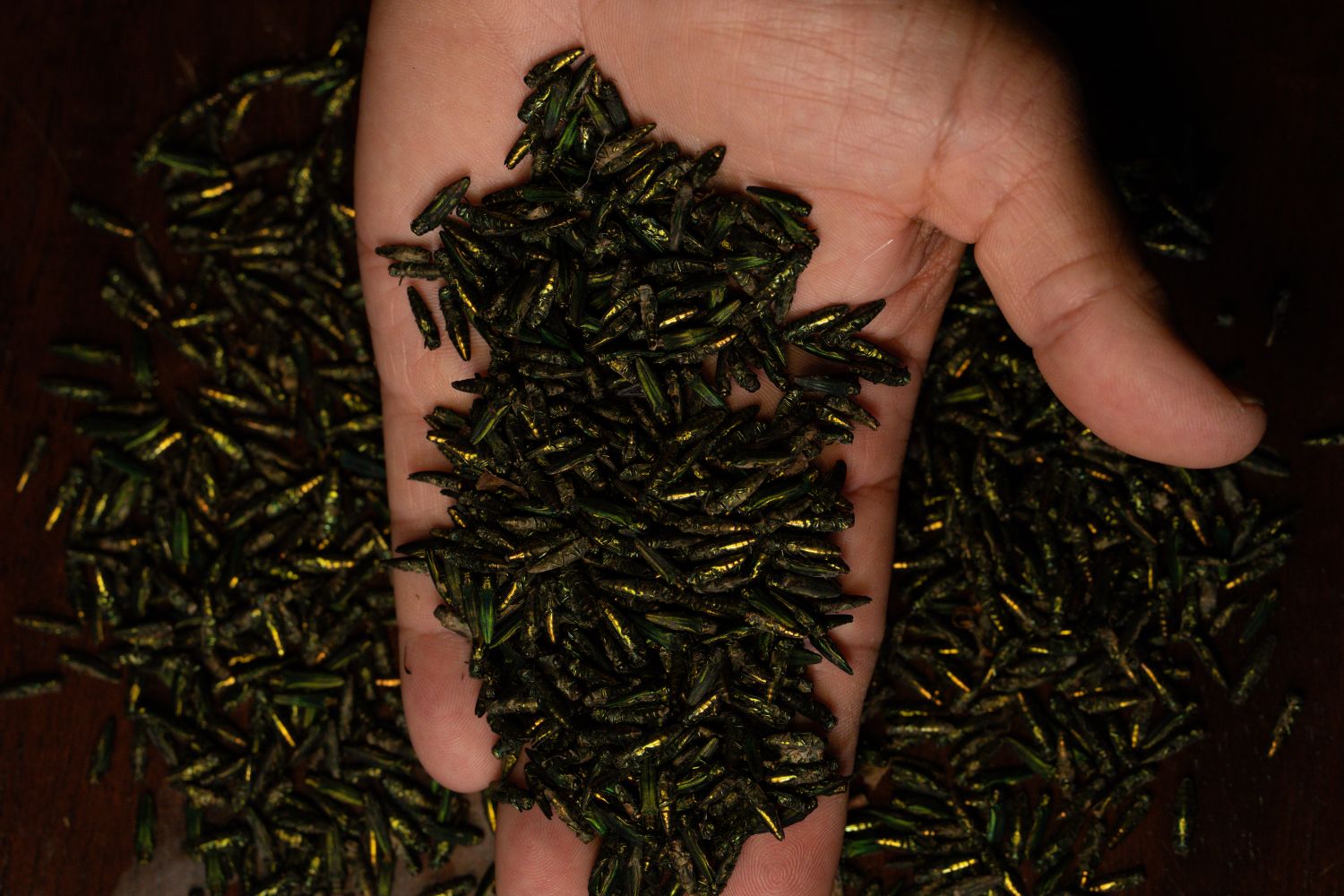
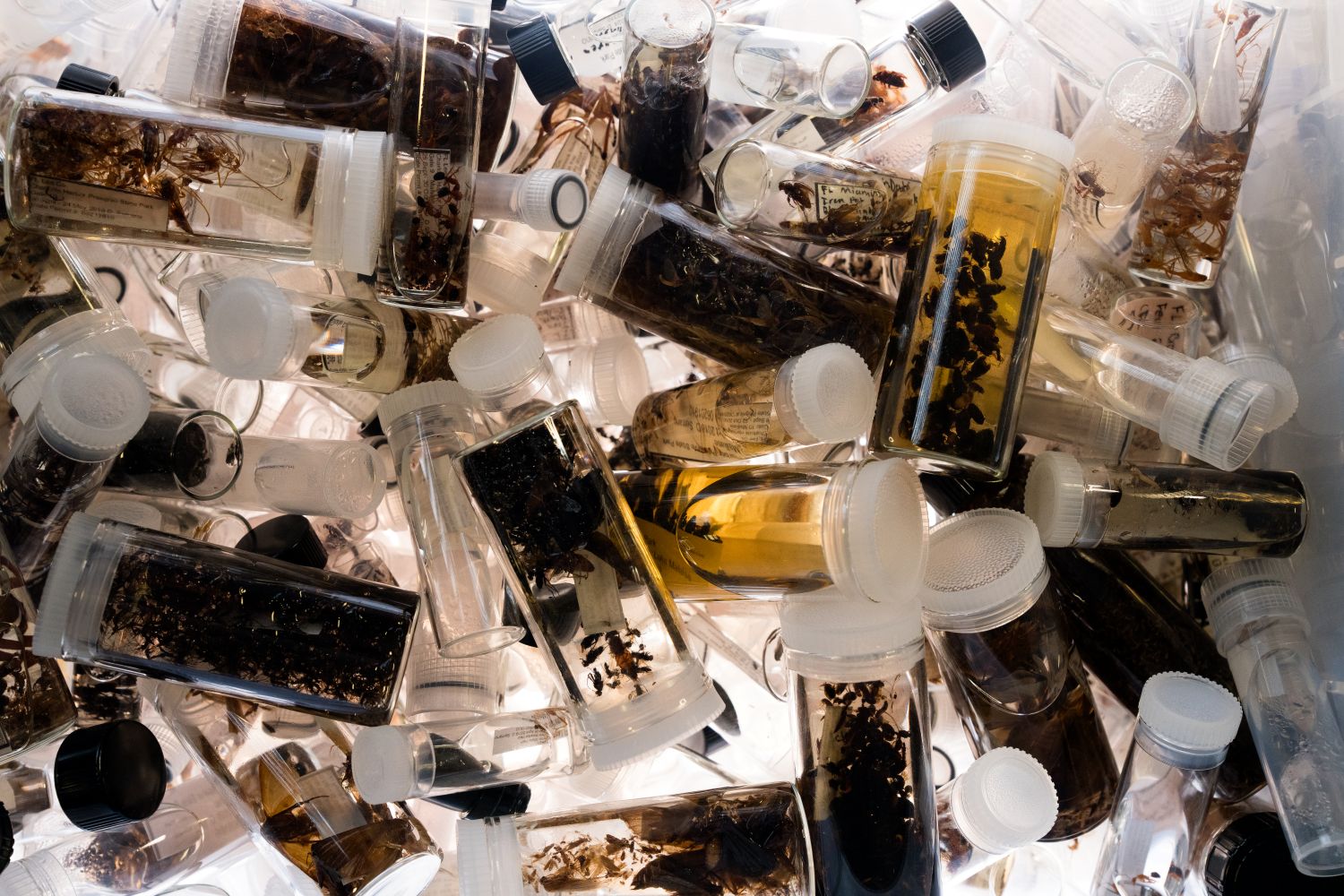
The College’s Insect Collection has grown from an original 10,000 or so specimens when it was established in 2017 to today’s menagerie of roughly 75,000 butterflies, moths, beetles, grasshoppers, ants, cicadas, worms, and other bugs, as well as some plant species.

Story continues after photo gallery.

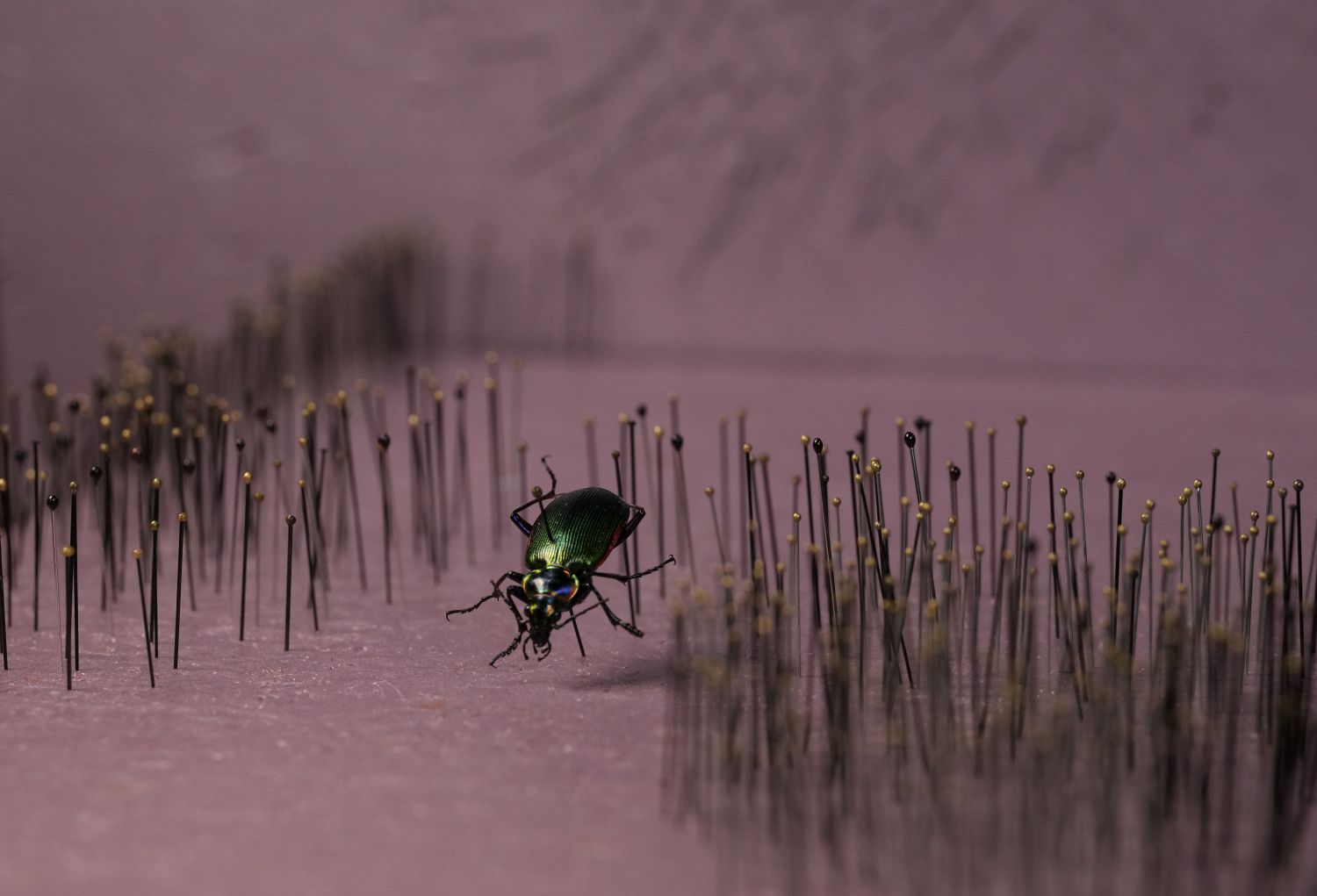
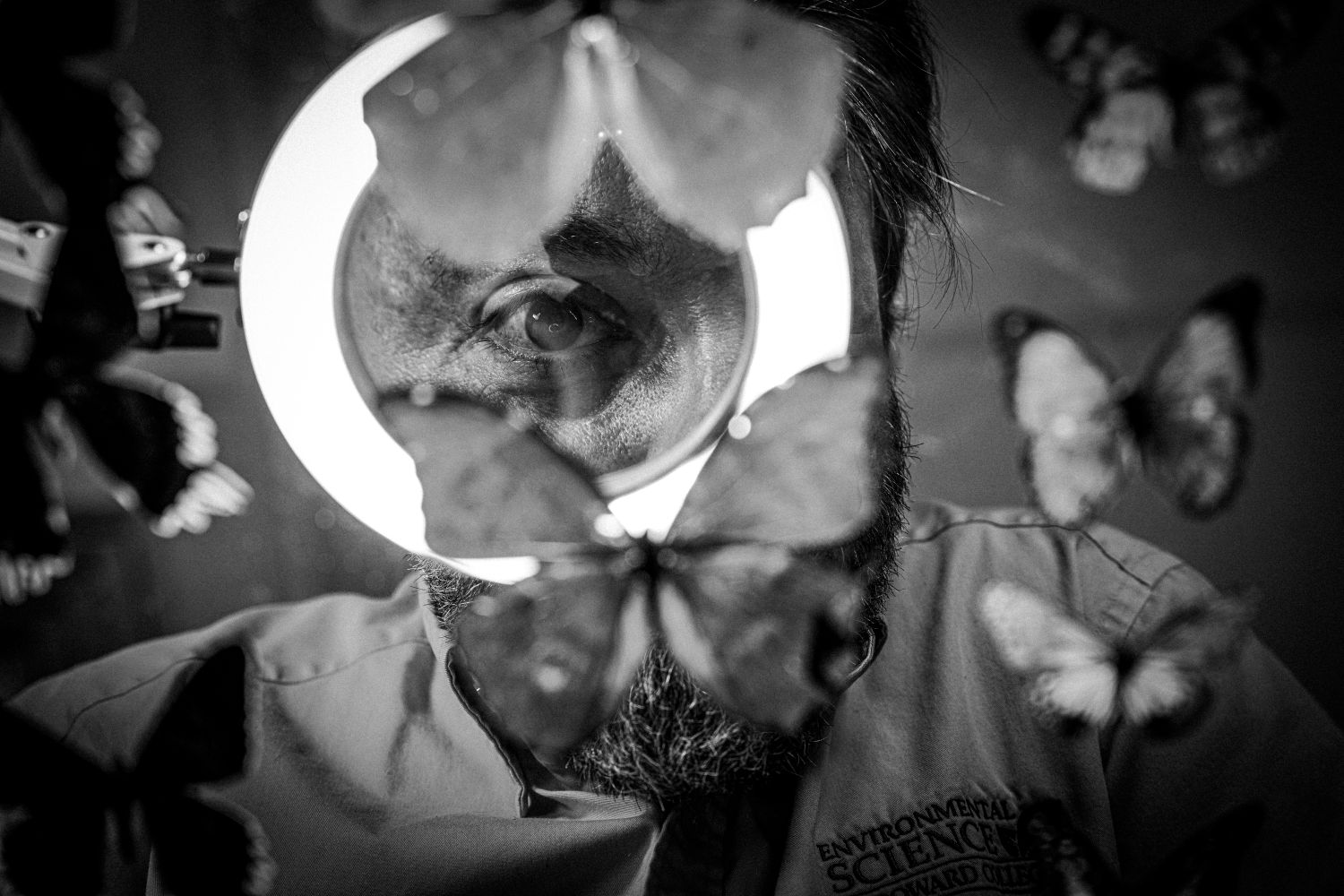
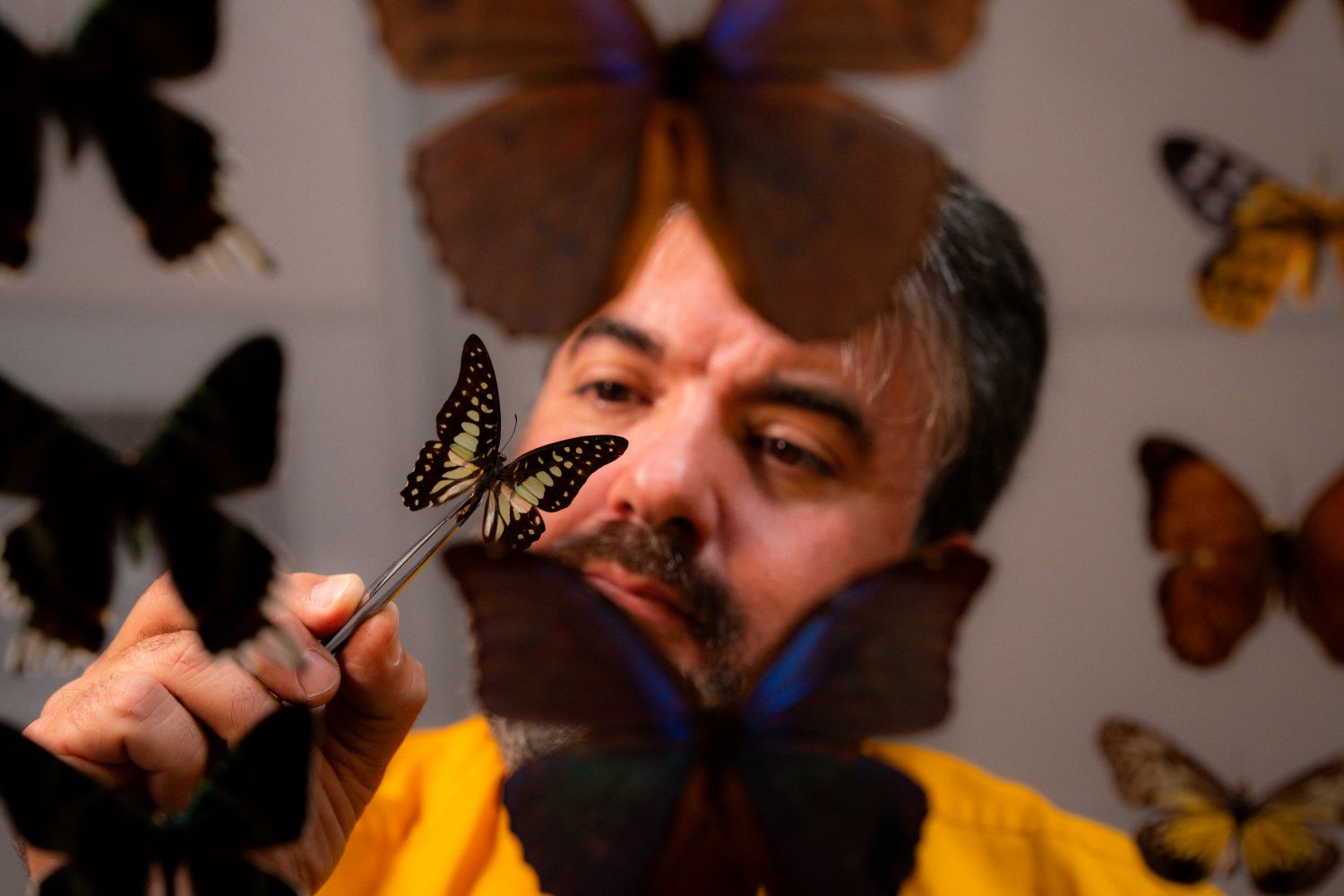
The specimens – dried, preserved, pinned, and labeled; placed into drawers, boxes, trays, vials, and pages; gently handled with soft forceps and latex gloves – are an important part of the College’s Environmental Science program. They provide students with hands-on laboratory learning and an intimate look into the secret lives of bugs, however fleeting, now frozen in time, observed under microscopes, magnifying glass, and bright lights.

The research-grade repository focuses primarily on arthropods, native and invasive, in South Florida and the greater Everglades ecosystems, combining historic teaching materials and faculty research with ongoing student field surveys, regional field partnerships, data sharing, and specimen loans to museums, parks, nature centers, and other institutions.

Senior Professor David Serrano established the College’s Collection when he brought his own collection with him from the University of Florida, where he received his doctorate in entomology.

“At that time, Broward College didn’t have many opportunities for students in entomology, ecology, botany, and other fields to have hands-on research and lab experience,” said Serrano, manager of the College’s Environmental Science B.S. program, who as an insect ecologist studies how bugs interact with nature, both beneficially and harmfully, and how they affect plants, animals, and humans.

Since then, the Collection has expanded through student survey projects as well as donations. The students use nets, traps, and other tools and methods to collect specimens – “Sometimes, you Mr. Miyagi them out of the air,” Serrano said, reaching out to pluck an imaginary bug in mid-flight.

Before joining the Collection, these insects fly, crawl, run, burrow, swim, or jump. Their lifetimes range from hours to decades. Their colors from electric blue to humdrum brown. Their scale from microscopic to the size of your fist. Some you never see; some you notice every day, fluttering past your window or, in the case of cicadas, every summer when their chorus rivals a chainsaw. Some, the natives, are welcome; some, the invasives, are not.

So far, about 25,000 of the Collection’s specimens have been processed, curated, and identified, with about 5,700 entered into a globally accessible database. Roughly 50,000 remain to be done.

South Florida's warm, humid, subtropical and tropical climate supports a massive, diverse insect fauna, a unique mix of native species and invasive pests that thrive year-round across ecosystems like the Everglades, pine rocklands, and coastal mangroves.

The region’s insect populations are mostly well studied, but Serrano, his students, and their partners at collaborating institutions have focused on state parks for years in the area known as a “black hole” of insect knowledge, roughly from the north of Lake Okeechobee to the Miami-Dade County border.

Serrano’s students take what they learn in the classroom, lab, and field and often collaborate with other institutions to present their research findings at national conferences and in scientific journals. After graduation, they work as laboratory or field technicians, research assistants, compliance specialists, environmental health inspectors, conservation specialists, and more for government agencies, private industry, and nonprofit groups.

“That’s the joy, seeing our students gain the skills and knowledge and confidence they need to get their degree and have successful careers,” he said.

-BC-

ABOUT BROWARD COLLEGE: Serving more than 54,000 students annually, Broward College provides students with certificate programs, two-year university-transfer degrees, two-year career degrees, and baccalaureate degrees in selected programs. The College’s mission is to provide high-quality educational programs and services that are affordable and accessible to our community of learners. As a Purple Star Campus, we are working to make Broward College the number one destination for academic excellence. Please visit www.broward.edu for more information.

Featured